Enhancing Amazon Seller Performance: Key Metrics to Track And Improve


To convert buyers into loyal clients, Amazon sellers must maintain strong performance metrics. All you have to do is focus on automation, consistency, and speed- it will help you improve ratings, keep your account health in check, and scale your business. Seller performance is used to determine your client’s overall shopping experience. Various metrics like late shipment rate, customer response, and order defect rate highly affect your eligibility and visibility to win the Buy Box. Poor scores can often result in lost sales and account suspensions.
In this blog, we will delve deeper into understanding the key metrics that help improve your Amazon seller performance. You can seek professional assistance from Amazon seller account management services and make the most out of their expertise. Keep reading for more information.
What Are the Key Metrics to Track and Improve Your Seller Performance
Below are some of the pointers to keep in mind:
1. Fees: Reducing Unnecessary Costs
Amazon has a number of different fees based on the size of the product, the shipping costs, referral fees, etc. These fees can’t be eliminated, but you can choose to sell products that will return higher profits.
Take one example, a seller has two sizes of boxes. One is large, and one is small. The large box may sell more units than the small box, but the large box will also generally carry more fees. So, if the smaller box returns a greater profit after all fees, then it is better to sell the smaller box.
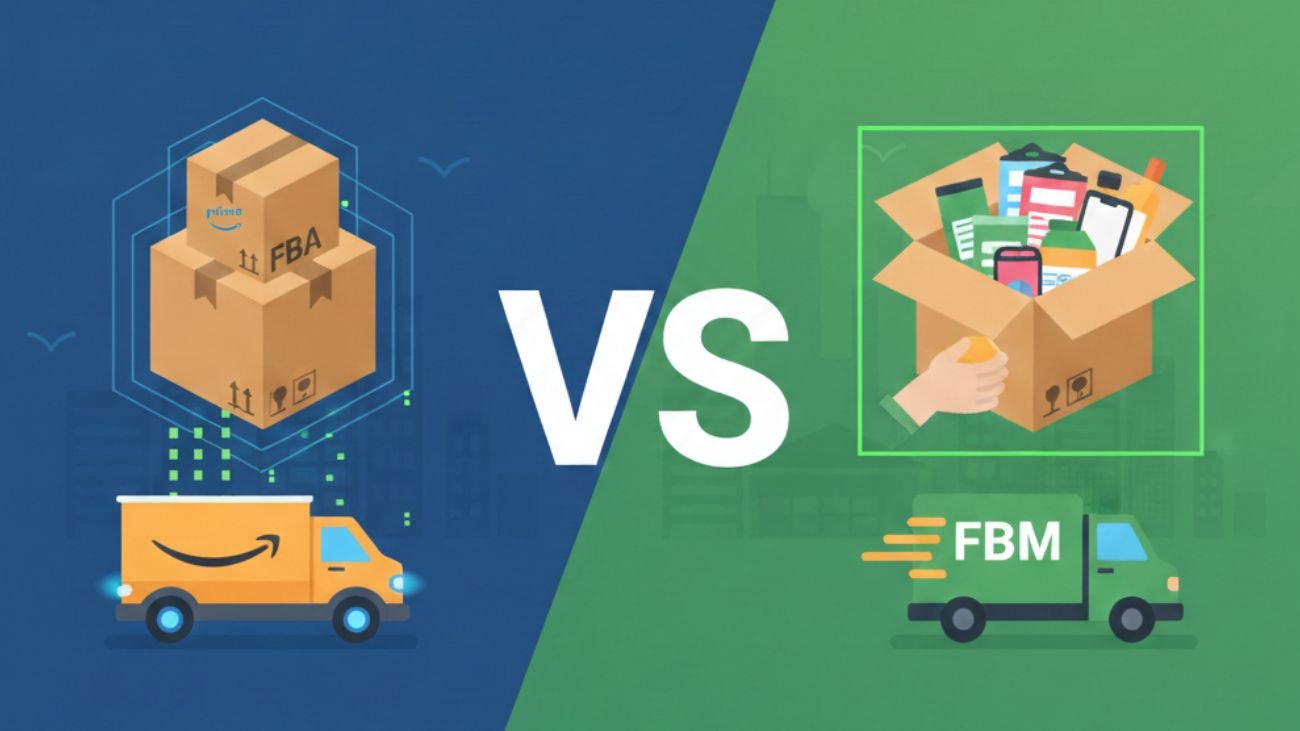
Some sellers may choose to self-fulfill orders instead of utilizing Fulfillment by Amazon (FBA) in an attempt to save money. However, it is also important to keep in mind that self-fulfilling orders require additional work and take longer. Always weigh the savings against the additional team involved.
2. Earnings: You Must Know How Much You Are Making
Apart from checking fees, it is also important to keep a track of your earnings. To check your monthly and daily earnings, all you should do is refer to the Amazon Payments Report. Take a quick look at:
- How much is being earned from each product
- Which are the products that are slowing down
- Which days give the Amazon sellers lower and higher earnings
- What are the items that must be restocked?
By developing a better understanding of your earnings, you will be able to make good decisions related to inventory, ads, and pricing.
3. Best Seller Ranking: Where Do You Stand in the Market?
Your BSR informs you of the level your product is selling at, as opposed to the other products of the same category. This is a ranking that is updated by Amazon on an hourly basis.
A good BSR implies that your product is selling better than the others. However, rather than just trying to achieve a low figure, look at trends:
- Is there an increase in sales on weekends?
- Are there any products that sell more in festivals or seasons?
- Was there any price change or discount that influenced your ranking?
BSR enables you to know what customers like and what modifications can make your product work better.
4. Perfect Order Percentage: Deliver Without Mistakes
Amazon wants its sellers to offer hassle-free orders. The Perfect Order Percentage is used to display the number of orders completed.
This includes:
- Having the product in stock
- Packing the right product
- Shipping it on time
- Damage-free delivery to the customer.
This measure is of great significance to you if you are an FBA seller. When you are using FBA, Amazon does the vast majority of work, and, therefore, you have more opportunities of receiving perfect orders.
5. Order Defect Rate (ODR): Customer Problems Low
One of the most valued Amazon performance metrics is ODR. It is the number of orders with complaints. These complaints include:
- A-to-Z Guarantee claims
- Negative reviews
- Chargebacks
Amazon permits a less than 1% ODR. Any time you exceed that limit, your account will either get warnings or a suspension.
You can keep your ODR low by:
- Providing accurate product knowledge.
- Using clear images
- Packing products properly
- Turnaround customer messages.
- Anticipating issues and solving them before they become complaints.
6. Inventory Performance Index (IPI): Smart Inventory Management
IPI demonstrates the effectiveness of your Amazon inventory management. The score ranges from 0 to 1,000.
- Above 400 = Good performance
- Below 350 = You must take some action.
Your score goes down when:
- There is too much stock that is left too long.
- You run out of stock often.
- Your listings are stranded or inactive.
Sellers can avoid these problems by checking their Inventory Dashboard on a regular basis. Amazon also offers recommendations on what to stock, take out, or advertise.
Inventory management is useful as it saves you on storage charges and losses in sales.
7. Get Expert Help When Needed
It may be exhausting to keep track of all these measures, in case you have numerous products. This is the reason why a lot of sellers prefer to work with Amazon account management service providers. These professionals assist in tracking your measurements, enhancing listings, handling advertisements, resolving account troubles, and maintaining your vendor well. By having the appropriate support, you will have more time to concentrate on expanding your business and leave the technical stuff to be done by the experts.
How Can Automation Improve Your Amazon Seller Performance
To be honest, handling all the work manually can look like a task after a certain point in time. That’s where the importance of integration and automation swoops in.
| Task | Automated Approach | Manual Approach |
| Response time to your buyers | Minutes or seconds | Days or hours |
| Message categorization | Automatic routing and tagging | Sorting is done manually |
| SLA compliance tracking | Real-time monitoring | Prone to errors |
| Scaling customer support | Instant scaling | More agents are required for the manual process |
| Response templates | Personalized and smart automation | Copy and paste replies |
To End With
If you are keen to refine your seller performance, you must know how to manage your inventory, understand numbers, deliver everything that’s promised, and keep your buyers satisfied. Focus on proper planning and opt for hiring Amazon account management services if required. In case you are looking forward to improving your Amazon seller performance, we at Selling OS are here to work on your key metrics. Our dedicated Amazon account manager will monitor your performance and guide you to revamp it.