Why Do My Listings Get Traffic But No Orders On Amazon?

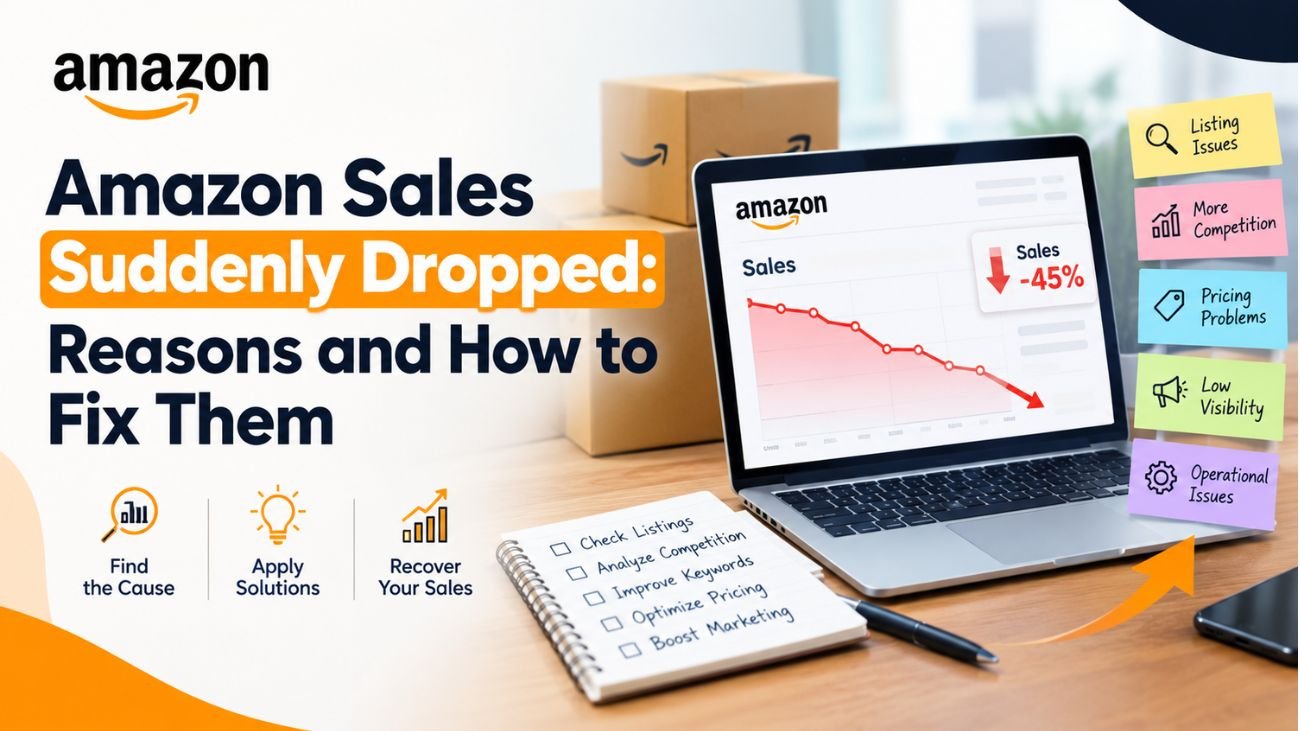
Many Amazon sellers become frustrated for one reason: they get visitors to their listings, but the number of sales isn’t enough. Well, this is not essentially a visibility issue; it is a conversion issue.
Even if your customers find your products on Amazon, their lack of confidence prevents them from making a purchase.
All you have to do is analyze the gap between orders and traffic; it will improve your sales immediately. With optimization strategies and professional Amazon account management services, sellers can analyze their listings for weaknesses and significantly increase their conversion rates.
Some common reasons why Amazon listings get traffic but no sales are listed below.
Reasons Why Your Listings Get Traffic but No Orders
1. Your Pricing Is Not Competitive
The importance of pricing when it comes to shopper decision-making is very high when selling on Amazon. Shoppers tend to browse different listings before choosing the one to purchase from. Price differences may only be a few cents, which may cause the shopper to buy from another seller instead.
In other words, if your product cost is higher than others that sell similar products without a perceived value added, the shopper may click on your listing just to see if there is anything about your product that they like, but ultimately purchase the lower-priced item.
2. Poor Quality Photographs of Products
Most of the time, when potential customers evaluate an item they may purchase from an online seller, they will evaluate the item by the first thing they see – the photograph that accompanies the listing. While a solid photo of a product can instill confidence in a prospect, a poor quality photo of an item can cause a prospect to doubt the item’s quality.
Well-performing product listings generally contain:
- A clear primary photo set on a white background;
- A photo of the product being used;
- An infographic depicting the product’s primary features;
- A comparative chart of the product against similar products (sources)
If potential customers can’t see the benefit of purchasing a product, the likelihood of the customer leaving the listing without purchasing the item increases.
3. Weak Titles/Descriptions for Products
The item listing requires sellers to provide an e-commerce site title, bullet points, and a product description that contains necessary keywords and demonstrates product value. The majority of sellers tend to focus on the technical aspects of the products they are selling instead of what the customer receives from using the products. Good item listings clearly highlight the following:
- The primary issue that the product addresses;
- Primary benefits to the user of the product;
What makes the product different and special compared to other competitors?
4. Few Reviews or Low Quality Reviews
An Amazon site with multiple customer reviews helps customers feel sure that the item sold is reliable and can be trusted by other customers.
If your listing only has a small number of ratings/reviews or has fewer than 4 rating stars, it is very difficult to provide an opportunity for converting customers into buyers.
For products with 20 reviews, it will not be able to compete with another product that has thousands of reviews. Developing your listing to encourage customers who are verifying their purchases and participating in programs such as Amazon Vine can significantly increase genuine reviews and, therefore, develop trust over time.
5. No Product Difference
Many categories within the Amazon marketplace contain hundreds of competing products that are similar to the product a consumer is thinking of purchasing.
If the product listing does not clearly tell the reader that the product is a different or better product compared with an alternative product, the customer will simply compare the product to one (or more) of the many other products selling in that category and select one of those other products.
Ways to make your product different from the alternatives include:
- The features of the product are unique.
- Bundled with other products/accessories;
- The quality of the product (ISO) or other certifications;
- The images and videos show how to use the product.
Clear differentiation helps customers choose your products over your competitors.
6. Poor Marketing Strategy
Most sellers invest money into Amazon’s PPC campaigns, hoping to attract more viewers to their products. But remember, advertising does not mean you will sell products.
If the advertisement is being shown to buyers based on irrelevant keywords, or if your listing pulls in buyers that aren’t interested in your products, then you are wasting money and not bringing relevant buyers to your listing.
Let’s say you have listed a pair of shoes and your customers are specifically looking for ‘shoes for running’; in such cases, they might not purchase from your brand.
When developing an effective advertising strategy, you must focus on highly relevant keyword targeting, identify negative keywords, and continuously analyze each campaign to ensure the success of your listing(s).
7. Lack of Buy Box and Fulfillment Problems
An additional reason could be due to a lack of Buy Box or slow delivery of a product. Amazon consumers prefer items that deliver quickly and have a high level of product/service assurance.
Improving your fulfillment speed and maintaining a superior level of seller performance metrics will increase your changes of winning the buy box.
How a Professional Listing Optimization Service Can Help
Diagnosing and fixing conversion issues is a combination of analyzing the data, optimizing the listing, creating a pricing strategy, and managing the advertising of the listing. This is where an experienced Amazon account management services provider can assist.
Professionals can analyze different types of key performance metrics, which include:
- Unit Session Percentage
- Keyword Metrics
- Competitor Pricing
- Advertising Return on Investment (ROI)
- Customer Review Trends
They look at these key performance metrics, then make strategic changes to improve how well the product listing is visible and ultimately improve the conversion rate.
Conclusion
One of the common challenges faced by many sellers is getting traffic to the product listing, but having no orders on Amazon. The reason for this issue is not related to the visibility of the product listing but how well the product listing is converting visitors into buyers through factors such as price, image, reviews, content quality, and advertising targeting.
By identifying issues early on and optimizing the product listing accordingly, sellers will significantly improve the conversion rates of the product listing. Working with an experienced Amazon account management service can assist a seller with optimizing the product listing and maximizing their Amazon marketplace performance by converting traffic into consistent sales.
Frequently Asked Questions
1. Why do I get clicks to my Amazon listing but have no sales?
The reason for this is that the product listing is creating traffic, but it has not persuaded the shopper to purchase the product. Simply, the product listing has either a high price point, poor images, few reviews, poor product description, or poor advertising targeting.
2. What is an acceptable conversion rate for an Amazon listing?
Conversion rates differ by category, but many successful Amazon listings have a conversion rate of between 10% and 30%.