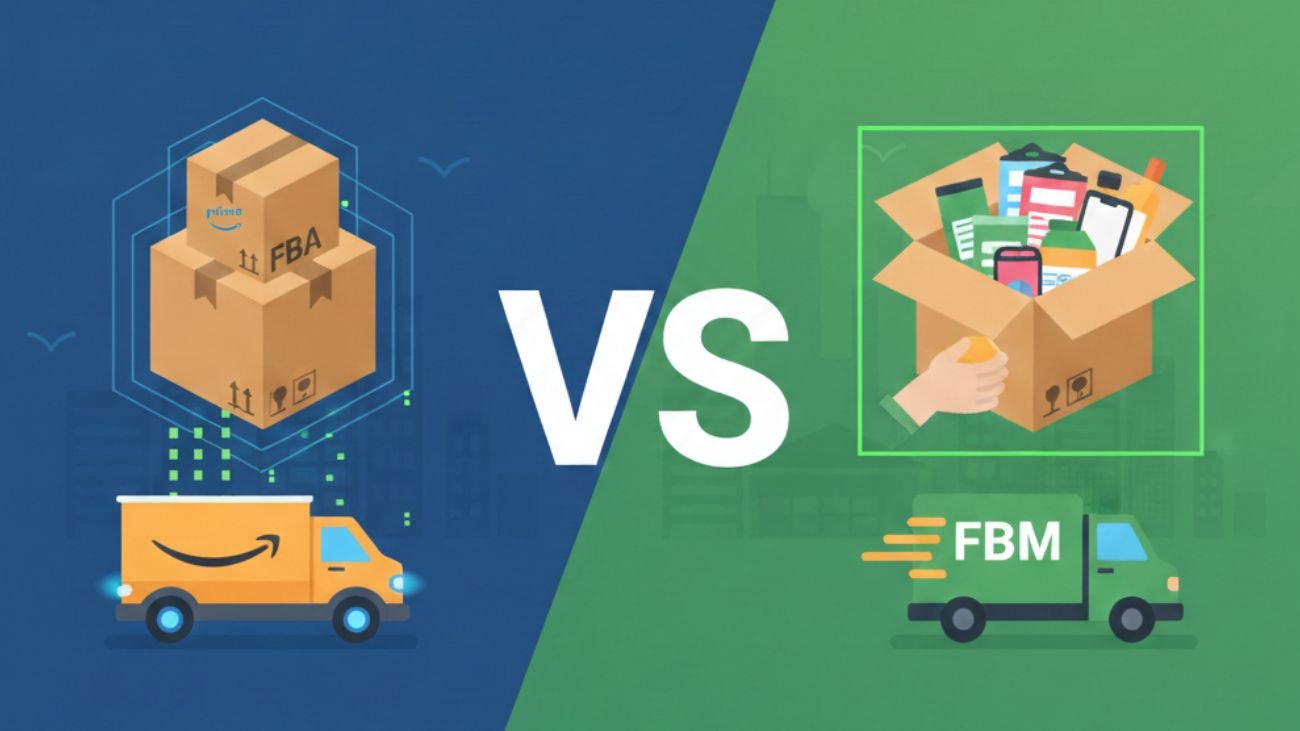
Top Amazon FBA Mistakes that Hurt Seller Profit


The Fulfillment by Amazon (Amazon FBA) has allowed sellers to grow their businesses more than ever before due to storage, packing, shipping, and customer service. Nevertheless, a large number of sellers are still failing to make healthy profits. The reason? Preventable errors that silently chew on revenue. Knowing these mistakes and how to correct them can easily affect your bottom line. You can also seek professional guidance from Amazon FBA services.
Listing the Top Amazon FBA Mistakes
1. Bypassing Product Research and Market Demand
Among the most frequent errors that are committed by sellers is selecting products on the basis of assumptions and not on the basis of data. Plunging into a highly competitive category without an analysis of the demand, price trends, and profit margins, one may easily incur losses very fast. Numerous sellers are not sufficiently aware of the consequences of a high level of competition and price wars that push margins down.
Very effective sellers use extensive product research, sales information, and competitor analysis before launching. Even well-branded products may not be able to be picked up without appropriate research.
2. None of the three estimates the Amazon Fees
Amazon FBA costs consist of fulfillment, storage, referral, and, in certain cases, long-term storage. The problem is that sellers who do not compute these correctly usually think they are making some money until the time they realise they are not through payouts. Minor errors on a unit basis can become huge losses on a large scale.
Professional Amazon FBA service helps sellers to follow the structure of fees, optimize the dimensions of products, and to control the inventory to avoid unpleasant surprises.
3. Poor Inventory Management
Out of stock is as bad as overstocking. Stockouts cause loss in sales and ranking, and excess inventories cause large storage costs and holding costs. Most of the sellers do not predict well as to demand, particularly in seasons that are peak seasons.
Effective inventory management makes sure that products are not spoiled and unnecessary or wasteful storage expenses are not incurred. The appropriate inventory turnover is important in safeguarding profitability.
4. Poor Pricing Strategy
Excessive pricing will lower conversion, and excessively low pricing will diminish profit margins. Other sellers keep reducing their prices to win against the competition without considering advertising expenses and Amazon charges. Such a strategy can increase short-term sales, although it tends to lead to losses in the long term.
It is necessary to have a data-driven pricing strategy that would be competitive and profitable at the same time. Smart price adjustment and tracking the trends in the market are ways of ensuring sustainable margins.
5. Weak Product Listings
Even great products do not compete if the listing is not optimized. Absence of keywords, poor quality photographs, and vague descriptions limit the visibility and conversions. The role of SEO in the Amazon ecosystem is underestimated by sellers.
Optimized listing enhances placement in the organic ranking and limits the reliance on paid listings. The great number of sellers using Amazon FBA services has incentives in the sphere of professional listing optimization, which corresponds to the Amazon search algorithm.
6. Overspending on Amazon Ads
Advertising can generate traffic, but the amount spent on ads is often uncontrolled and cuts profits rapidly. Most of these sellers do not target or monitor their selling campaigns. One of the most prevalent Amazon profit killers is High ACoS (Advertising Cost of Sale).
Audits of the campaigns, the optimisation of the keywords, and the budget control should be carried out regularly. Adverts ought to reinforce profitability- not to eliminate it.
7. Disregard of Customer Feedback and Reviews
Reviews from customers directly affect purchasing and product position. Sellers who disregard the negative feedback are not able to improve their products and the quality of their services. The lack of resolved problems may result in low ratings, lack of trust, and decreased sales.
Active oversight of reviews and addressing the troubles of customers will contribute to establishing credibility and brand value over the long term.
8. Omission to Track Account Health
The metrics of account health, like order defect rate, late shipment rate, and policy compliance, are very important. The disregard of these measurements may lead to listing suppression or even suspension of an account. Most sellers concentrate on sales negatively and do not consider compliance issues.
Periodic audit of the accounts is used to facilitate the stability and continuous selling in the long-term.
9. An Attempt to Control Everything by Yourself
When a business expands, it becomes too hard to control the listing, advertisement, stock, compliance, and customer support. When sellers attempt to do everything on their own, they usually commit expensive errors because of either time or experience.
Collaborating with the accomplished Amazon FBA services allows sellers to concentrate on the areas of scaling and leave the experts to address the operational intricacies.
Conclusion:
By not committing these typical Amazon FBA errors, you can take your profitability levels and success to a far higher level. Whether it is proper calculation of fees and intelligent inventory control or smarter listings and ad budget constraints, each choice will affect your bottom line. The professional assistance can be the key to sellers who want to be efficient in scaling and avoid making costly mistakes, and that is where Selling OS can help to make Amazon develop sustainably.