Ecommerce for Beginners 2026: How to Start, Manage, and Grow Your Online Business


E-commerce continues to grow rapidly, with the year 2026 expected to be one of the most disruptive periods in the industry. Regardless of whether it’s your first e-commerce business or expanding an already existing one, having knowledge of the fundamentals for starting, operating, and growing your e-commerce business is essential. The use of ecommerce account management services is now becoming popular among many new sellers during the initial stages of their venture so that they can simplify the process of conducting business and increase their prognosis of success. This guide dismantles all the information you need to know in order to enter and prosper in the digital marketplace.
1.Establishing the Basic Groundwork of Your E-commerce Business.
A set of strategic decisions that determine the future of your brand should be made before you build your online store.
Choose Your Niche
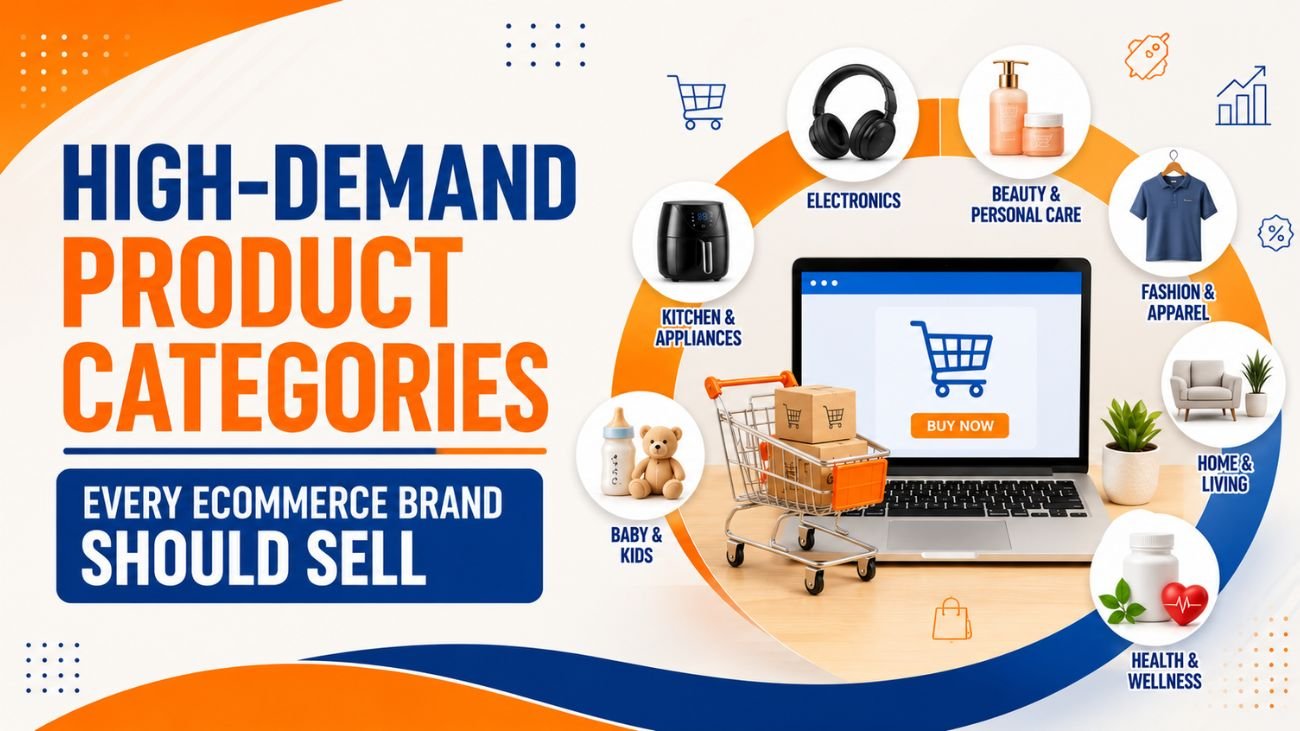
Targeting smaller niche markets instead of being a part of the mass market, this way gives you an advantage due to less competition, consistent demand for certain products, and ways to set yourself apart from all the other companies selling the same products. Looking ahead, it’s anticipated that eco-friendly lifestyle items, Artificial Intelligence devices, health-promoting vitamins/minerals/products, and custom-designed decor will make up the majority of the top-selling items in 2026 based on current trends.
Research Your Audience
Know your customers, what they need, and how they decide to make purchase decisions. The buyer personas may be elaborated to assist you in choosing the products, pricing, and marketing approach.
Choose the Appropriate e-commerce platform.
Social networks such as Shopify, WooCommerce, Amazon, Etsy, and Flipkart Seller Hub allow laymen to open up a store. Consider:
- Budget
- Customization needs
- Preferred payment options
- Scalability
- Technical skills required
Register Your Business
Get the required licenses, GST registration, payment gateway approvals, and brand trademarks (where applicable). Systematic legal support safeguards you in the case of growth.
2. How to Build and Manage Your E-commerce Store.
The second step, after you have settled on your niche and established your business base, is to first create your online storefront and then to streamline it.
Build a Convenient Web Shop
The design of your store contributes significantly to the conversion rates. Focus on:
- Clean navigation
- Fast-loading pages
- High-quality product images
- Clear product descriptions
- Mobile optimization
The customers will not trust and purchase in a store that appears professional and that works well.
Create Listings That Sell Products
Your product listing is your online salesperson. Ensure:
- SEO-rich titles
- Clear bullet points
- Videos or high-resolution photographs.
- Relevant keywords
- Competitive pricing
Good product listing enhances publicity and helps you to shine among the mega markets.
Inventory & Order Management
Effective inventory management eliminates stock-outs and overstocking. Take advantage of such tools as automated inventory management, forecasting, and instant stock alerts.
Equally, order management involves the smooth coordination of your site, warehouse, courier service, and channels of communication with your customers.
3. Marketing Your Store: The E-commerce Growth Engine.
Marketing is where amateurs have the hardest times, as it is also where the right strategy can help you to grow traffic and sales sustainably.
SEO for E-commerce
Search engine optimization on your site by use of having keyword-rich content, optimized product pages, as well as internal links. SEO enhances organic presence and generates traffic that is long-term without intensive ad expenditure.
Social Media Marketing
There are platforms such as Instagram, Facebook, and YouTube, which will continue to be potent in product discovery in 2026. Use:
- Reels
- Influencer marketing
- Paid ads
- User-generated content
- Giveaway campaigns
Email & Automation
Keep customers by emailing in one-on-one messages:
- Abandoned cart reminders
- Product recommendations
- Special offers
- Loyalty program updates
You can save time and make your communication consistent with the help of automations.
Get Organized with Ecommerce Account Management.
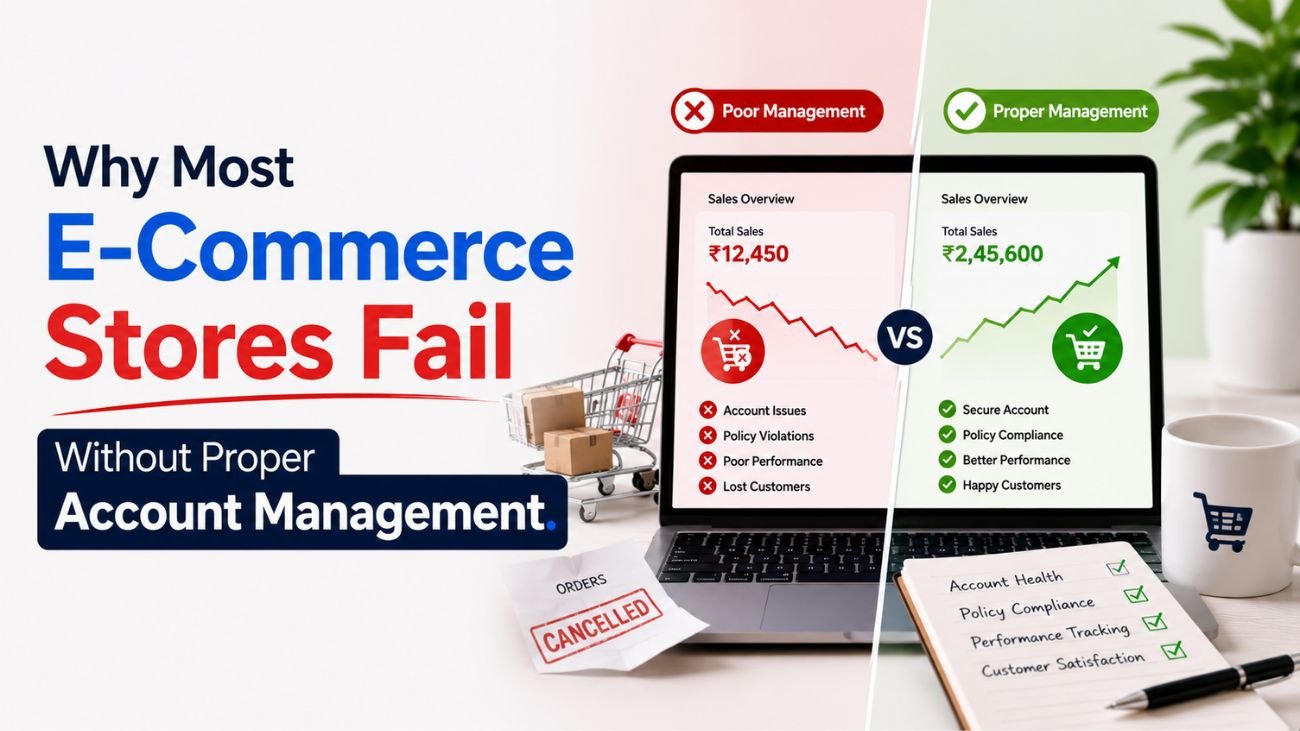
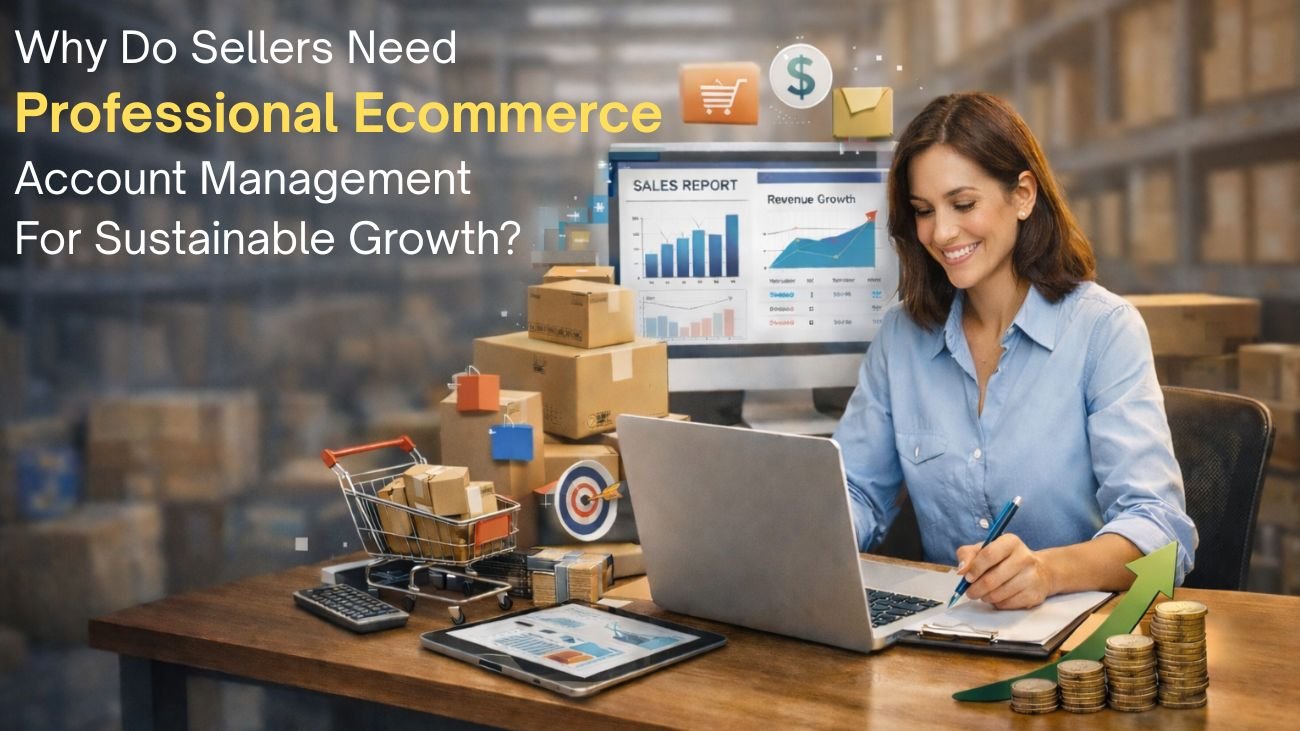
Due to the expansion of your business, it is complicated to control various channels, orders, advertisements, and listings. This is the area where e-commerce account management is significant. It brings all your operations together so you can manage all your catalog updates, your PPC campaigns, your order processing, your return management, and your optimization of your performance all under a single streamlined system. This helps you have a running store as well as more time to concentrate on strategy and innovation.
4. How to scale your online business in 2026.
After developing a consistent flow of revenue, you should look at growth through such strategies as:
Product Line Expansion
New complementary items or related to the demand trends and customer responses.
Marketplace Expansion
Begin to sell on various platforms Amazon, Flipkart, Meesho, or Etsy, and appeal to more people.
International Shipping
Provide international shipping using cross-border ecommerce platforms in order to reach global consumers.
Automating Operations
Marketing, inventory, customer support, and analytics tools can be automated without adding to the number of manual tasks.
Conclusion
You can sell on your own site or sell on big marketplaces, but with the help of the right tools and assistance, growth will be much quicker. Most of the sellers currently use ecommerce account management services to make their operations easier, minimize errors, and enhance profitability. Whenever you are willing to bring your online retailing experience to a higher level, you can collaborate with an established brand such as Selling OS to manage, improve, and expand your online business without any hassle.